Free Consultation
1.800.TEAMLAW
1.800.832.6529
Free Consultation
1.800.TEAMLAW
1.800.832.6529

Free Consultation
1.800.TEAMLAW
1.800.832.6529
New Jersey
Motorcycle
Attorney
By Andrew Prince, Esq.
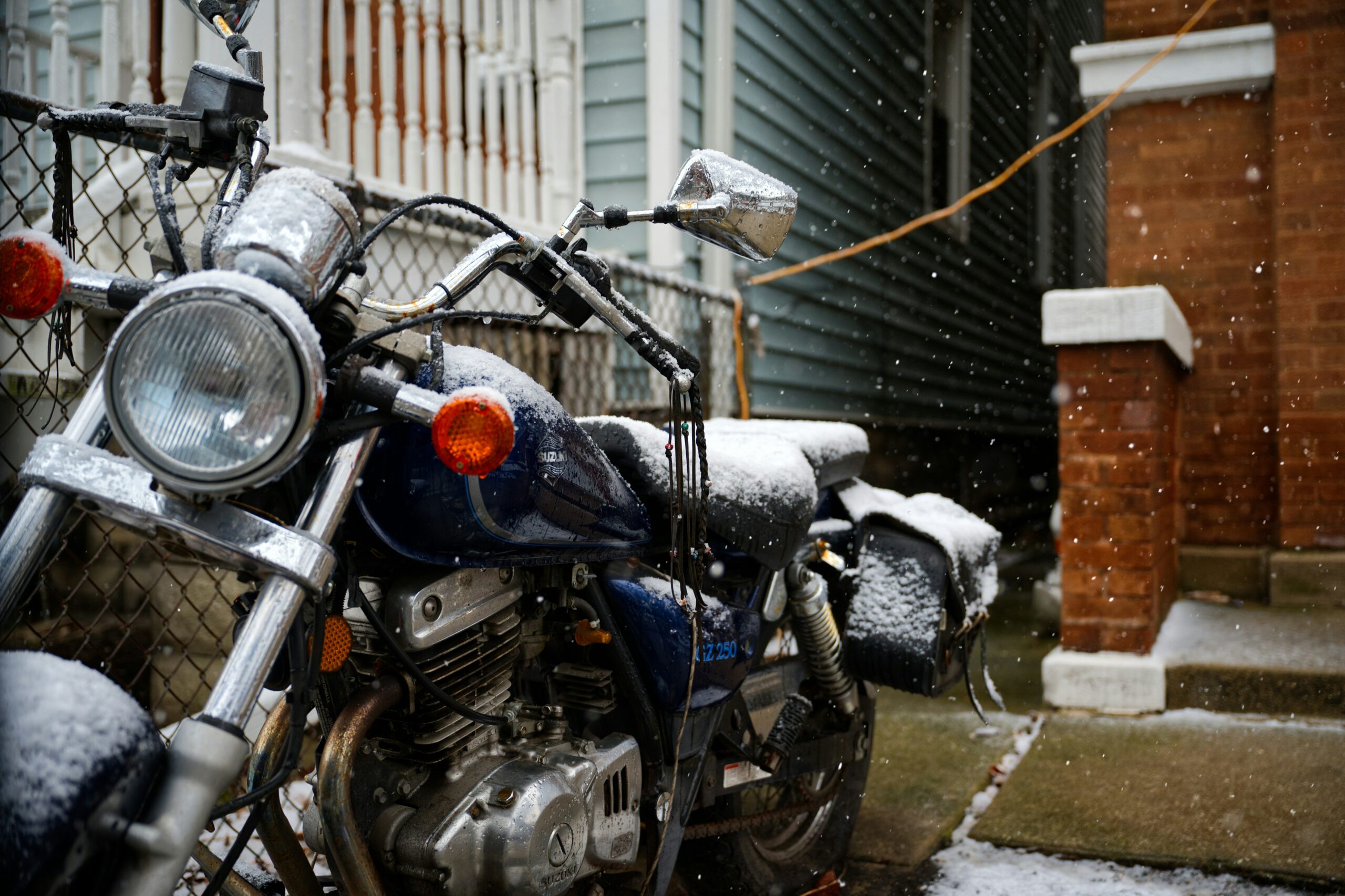
The last semi-warm weekends of October are here, and across New Jersey riders are pulling out the battery tender, topping off the tank, and getting ready to tuck their bikes away until spring. It is a familiar fall ritual. If you went down this season, though, the way you handle your New Jersey motorcycle accident claim before the bike goes into storage matters just as much as the fuel stabilizer and the fresh oil.
Winterizing protects your machine. It does not protect your legal claim. Storing your motorcycle too quickly after a crash can quietly erase evidence you may need months from now, long after the first frost, when an insurance company starts questioning what really happened. That is a situation we see every year once the riding season winds down.
You already have enough on your mind heading into the off-season. The goal here is simple, which is to help you close out the riding year without accidentally closing the door on the compensation you may be owed.
If you were hurt in a crash this season and you are unsure what to do before the bike is put away, you do not have to sort it out alone. Call our office at 1-800-832-6529 to speak with a knowledgeable New Jersey motorcycle accident attorney, or reach us through the online contact form on our website, so you can protect important evidence before it disappears into a cold garage.
Your motorcycle is not just property. After a crash, it is one of the most important pieces of evidence you have. The damage tells a story about the point of impact, the direction of the collision, and the forces involved, and that story can support your version of events when someone else disputes it.
Insurance companies know that most motorcycle cases come down to fault. A recurring theme in these cases is that a large share of crashes happen because another driver violated the rider’s right of way. Proving that often depends on physical evidence, and a bike that has been cleaned, repaired, or tucked away for the winter can lose the very details that back up your account.
Once the bike is in storage, memories fade and conditions change. Photographs taken in November do not capture what the scene looked like in October. Taking a little time now to preserve what happened can make a real difference later, especially if your case is still open when spring arrives.
Before you throw a cover over the bike, take an afternoon to record its condition. Good documentation is one of the most valuable and least expensive things you can do for your claim.
Keep everything together in one folder, digital or physical, so you are not hunting for it in the spring. If you are not sure whether something matters, save it anyway. It is far easier to set aside evidence you never use than to recreate proof that is already gone.
Putting your bike away does not pause the insurance side of your case. Claims still move forward through the winter, and the coverage details you overlook now can shape what you recover later.
Many New Jersey riders assume they carry full coverage, only to learn after a crash that key protections are missing. Unlike cars, motorcycles in New Jersey are not part of the state’s no-fault system, so riders often do not have the same personal injury protection benefits that automatically help pay medical bills. That gap can come as a shock when the bills start arriving.
Uninsured and underinsured motorist coverage, often called UM and UIM, is another common blind spot. If the driver who hit you carried little or no insurance, this part of your own policy may be what stands between you and a stack of medical bills. A free insurance review can help you understand those gaps before they turn into a crisis, and the quiet off-season is a good time to sort it out.
If your crash happened recently, a few steps taken this week can protect both your health and your claim. None of them require much time, and each one closes a gap that insurers often try to use against riders.
Once these basics are handled, you can winterize the bike with confidence, knowing the important details are already preserved. Taking care of this now means you will not be scrambling to reconstruct events when the weather warms up again.
Similar Post: How Long Do Motorcycle Crash Cases Take in New Jersey?
Time is one of the most important factors in any injury case, and the off-season can lull riders into waiting too long. New Jersey generally gives injured riders a limited window, often two years from the date of the crash, to file a lawsuit. Miss that window and you may lose the right to recover anything, no matter how strong your case is.
New Jersey uses a modified comparative negligence system, so the degree to which you contributed to a motorcycle crash plays a direct role in what you can recover. When fault is shared, any award is reduced by the percentage assigned to you. A rider found more than 50% responsible, though, is generally barred from collecting damages at all. Insurers often try to shift as much blame as possible onto the motorcyclist, which is why photos of the scene, statements from witnesses, and other supporting evidence can be so important in showing how the crash really happened.
No honest attorney can promise a specific settlement or outcome. What a dedicated Newark motorcycle accident attorney can do is help you understand your deadlines, protect your evidence, and present the strongest version of your case within the time the law allows.
Fall crashes happen everywhere in the Garden State, from the twisting routes near the Delaware Water Gap to the daily grind of the Garden State Parkway and the New Jersey Turnpike. Wet leaves on Route 23, early sunsets in Bergen County, and deer along quiet back roads all raise the risk as the season ends.
Where your crash happened can affect which police department handled the report, which hospital treated you, and how local traffic patterns factored in. Riders in Newark, Jersey City, Edison, and Clark deal with dense urban intersections, while those heading toward South Jersey or the Jersey Shore face different hazards on open highways.
These details are easy to forget by spring, which is one more reason to write them down before you store the bike. Local specifics can strengthen your claim and help your attorney understand exactly what you were up against on the day of the crash.
Similar Post: Urban v. Rural Collisions: Where Motorcyclists’ Risks are Highest
Storing the bike is fine as long as you document its condition first. Photograph the damage and keep your gear so the evidence is preserved before the motorcycle goes into the garage for winter.
Capture every angle of the damage, the odometer reading, any leaks or broken parts, and your riding gear. More photos are always better than too few, and they cost you nothing to take.
In most cases, you have two years from the date of the crash to file a personal injury lawsuit in New Jersey. However, certain claims, including those involving government entities, may have earlier notice deadlines. Speaking with an attorney promptly can help you protect your rights.
Your own uninsured and underinsured motorist coverage may apply. Reviewing your policy helps you understand what protection you have if the other driver cannot pay for your injuries.
Yes, it can still help. A lawyer can review your claim, request records, and pursue compensation even after the bike is put away for the season.
The end of riding season does not mean the end of your rights. Winterizing keeps your motorcycle healthy for spring, but preserving evidence, understanding your coverage, and knowing your deadlines are what keep your injury claim healthy. A few careful steps this month can save you serious frustration later.
If you were injured in a motorcycle crash anywhere in New Jersey this season, reach out before the bike disappears under a cover until April. Call our office at 1-800-832-6529 to speak with a determined New Jersey motorcycle accident attorney, or use the online contact form on our website to request your free consultation. We are here to help you close out the season with your claim protected and your questions answered.
Disclaimer: This blog provides general information about New Jersey motorcycle accident claims and does not constitute legal advice. Every accident involves different circumstances, and the information discussed here may not apply to your situation. Reading this blog does not create an attorney-client relationship. For guidance about your specific claim, contact our office to speak with an attorney.
Appointment Only
313 State Street, Perth Amboy, NJ.
46 Bayard Street #211, New Brunswick, NJ.
201 East 5th Street, Plainfield, NJ.
822 Raritan Avenue, 1st Floor, Highland Park, NJ.
400 39th Street, Suite 407, Union City, NJ.
860 U. S. Highway 1 North, Suite 201, Edison, NJ.
50 Park Place, 8th Flr., Suite 840, Newark, NJ.



