Free Consultation
1.800.TEAMLAW
1.800.832.6529
Free Consultation
1.800.TEAMLAW
1.800.832.6529

Free Consultation
1.800.TEAMLAW
1.800.832.6529
New Jersey
Motorcycle
Attorney
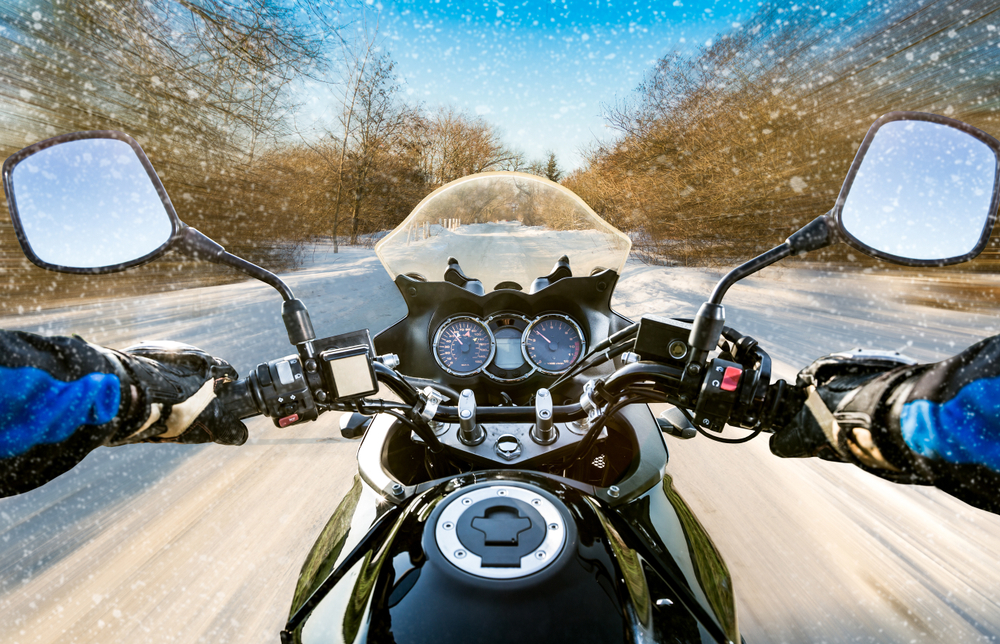
The road looks dry. The sun is out. Your gloves are on, and the bike feels steady beneath you. Then, without warning, the pavement tightens, the tires lose grip, and everything changes in a split second. For many New Jersey motorcyclists, winter crashes do not happen during snowstorms. They happen on days that feel safe, ordinary, and completely manageable.
Winter riding in New Jersey carries risks that are easy to underestimate. Black ice, salt-covered roads, and distracted drivers can turn a routine ride into a serious motorcycle accident, even when you do everything right. Knowing when winter riding becomes too dangerous is not about fear, it is about awareness, safety, and understanding your rights if a crash occurs. If you were injured while riding during winter conditions, call our firm today by phone at 1-800-832-6529 or fill out our online contact form to schedule a free, confidential consultation.
New Jersey’s winter climate creates a challenging environment for motorcyclists. Unlike drivers in enclosed vehicles, riders are directly exposed to cold temperatures and road hazards. Even when roads appear clear, hidden dangers may still exist.
Temperatures in New Jersey often fluctuate throughout the day. Roads may thaw briefly in the afternoon, only to refreeze after sunset. This is especially common on bridges, overpasses, and shaded roadways where sunlight is limited. These sudden changes make winter riding unpredictable, even for cautious riders.
Heavy commuter traffic throughout the state also increases risk. Drivers navigating slick roads may struggle with braking and visibility, which raises the likelihood of collisions involving motorcycles.
Cold weather impacts more than rider comfort. It directly affects traction, handling, and braking performance. Even when the air temperature feels manageable, the pavement may still be dangerously cold.
Key winter road hazards include:
These conditions significantly increase stopping distances and the risk of losing control. As a result, many winter motorcycle accidents occur without warning, even at moderate speeds.
Even after reviewing these risks, it is important to remember that road conditions can change quickly, sometimes within minutes.
Certain New Jersey roads become especially hazardous for motorcycles during winter months. These areas often combine heavy traffic, elevation changes, or limited sunlight.
Common winter accident locations include:
These roads see daily commuter traffic mixed with commercial vehicles and seasonal drivers. As a result, winter motorcycle accidents often involve drivers who fail to adjust to changing road conditions.
Similar Post: What Road Hazards Cause Motorcycle Accidents in New Jersey and Who’s Liable?
Winter riding often means traveling in low-light conditions. Shorter days increase the likelihood of riding at dawn or dusk, when glare and shadows reduce visibility.
Fog, snow flurries, and winter rain further limit sightlines. Drivers already focused on navigating slick roads may struggle to see motorcycles, especially in busy urban areas such as Newark, Jersey City, Paterson, and Trenton.
As visibility decreases, reaction time becomes critical. Unfortunately, winter conditions often leave little margin for error.
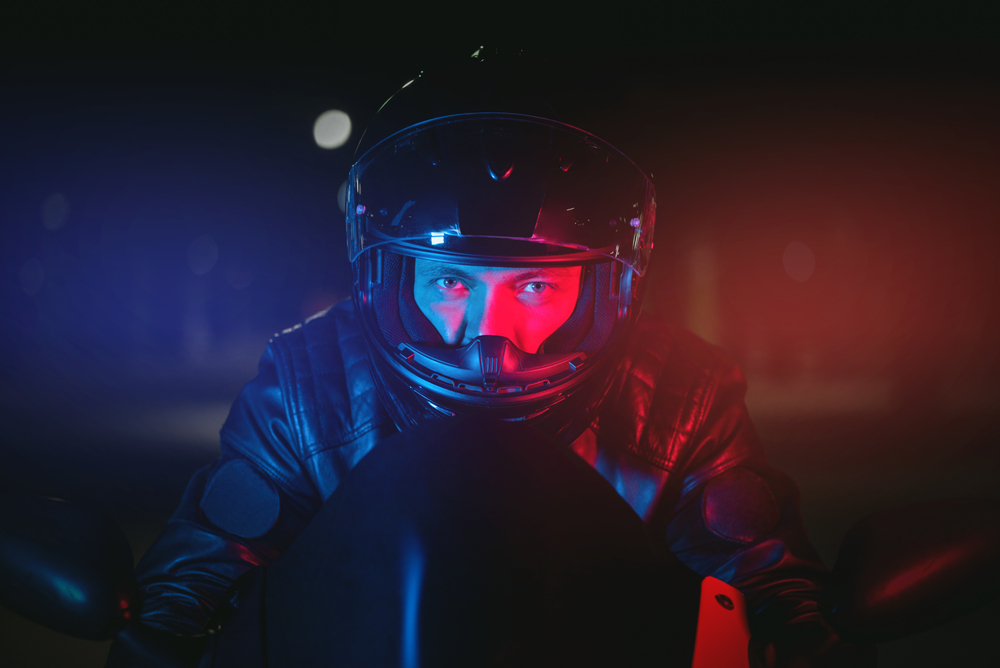
Winter weather affects how drivers behave behind the wheel. Some drivers become overly cautious, while others rush despite hazardous conditions. Both behaviors increase crash risks for motorcyclists.
Common winter driving behaviors include:
Motorcyclists have little protection when these errors occur. Even low-speed collisions can result in serious injuries.
Because of this, winter motorcycle accidents often involve factors outside the rider’s control.
Winter motorcycle accidents frequently result in severe injuries. Cold pavement increases impact forces, and bulky winter gear does not prevent trauma.
Common injuries include broken bones, head injuries, spinal damage, and internal injuries. In some cases, hypothermia complicates recovery, especially when riders remain exposed while waiting for emergency assistance.
Symptoms may not appear immediately after a crash. Delaying medical care can worsen injuries and make insurance claims more difficult later.
Many riders worry that riding in winter conditions automatically places fault on them if an accident occurs. In New Jersey, this is not the case.
New Jersey uses a modified comparative negligence system. Fault depends on each party’s actions, not the time of year. Drivers who fail to adjust speed, follow too closely, or ignore road conditions may still be responsible for a motorcycle accident.
Insurance companies, however, often argue that winter riding is inherently unsafe. They may attempt to shift blame to the motorcyclist rather than examine driver behavior.
Winter motorcycle accident claims often face added scrutiny from insurance carriers. Adjusters may argue that riders accepted known risks by choosing to ride in cold or icy conditions.
Common tactics include disputing fault, minimizing injuries, or claiming the crash was unavoidable due to weather. Riders may also face unfair assumptions based on stereotypes rather than facts.
Strong documentation matters in these cases. Police reports, weather data, witness statements, and road conditions all play an important role in determining liability.
Similar Post: Why Do Police Quite Often Blame the Motorcycle Rider for the Crash?
There is no single temperature or condition that makes riding unsafe for everyone. However, certain conditions significantly increase danger.
Freezing rain, snow accumulation, untreated roads, and overnight freezing temperatures are strong indicators that riding may no longer be safe. Riding before roads are plowed or treated greatly increases the risk of losing control.
Even experienced riders must recognize when conditions exceed reasonable limits.
If you are involved in a winter motorcycle accident, the steps you take afterward matter. Safety and medical care should always come first.
After a crash, riders should:
Taking these steps helps protect both your health and your legal options.
Winter motorcycle accidents often involve complex liability questions. Weather, road maintenance, and driver behavior all intersect. Insurance companies may oversimplify these cases in ways that disadvantage riders.
Careful legal review helps determine whether negligence played a role and ensures responsibility is assessed fairly, not assumed based on season alone.
Similar Post: Why Hire Andrew S. Prince
Winter riding in New Jersey requires careful judgment, but accidents can still happen even when riders act responsibly. If you were injured while riding during winter conditions, you deserve clear answers about your legal options.
Call Andrew Prince today at 1-800-832-6529 or reach out through our online contact form to schedule a free consultation and learn how we can help protect your rights after a motorcycle accident. Our firm represents clients throughout New Jersey, including Morristown, Newark, and Orange.
Disclaimer: This blog is intended for informational purposes only and does not establish an attorney-client relationship. It should not be considered as legal advice. For personalized legal assistance, please consult our team directly.
Appointment Only
313 State Street, Perth Amboy, NJ.
46 Bayard Street #211, New Brunswick, NJ.
201 East 5th Street, Plainfield, NJ.
822 Raritan Avenue, 1st Floor, Highland Park, NJ.
400 39th Street, Suite 407, Union City, NJ.
860 U. S. Highway 1 North, Suite 201, Edison, NJ.
50 Park Place, 8th Flr., Suite 840, Newark, NJ.



