Free Consultation
1.800.TEAMLAW
1.800.832.6529
Free Consultation
1.800.TEAMLAW
1.800.832.6529

Free Consultation
1.800.TEAMLAW
1.800.832.6529
New Jersey
Motorcycle
Attorney
By the Law Offices of Andrew S. Prince
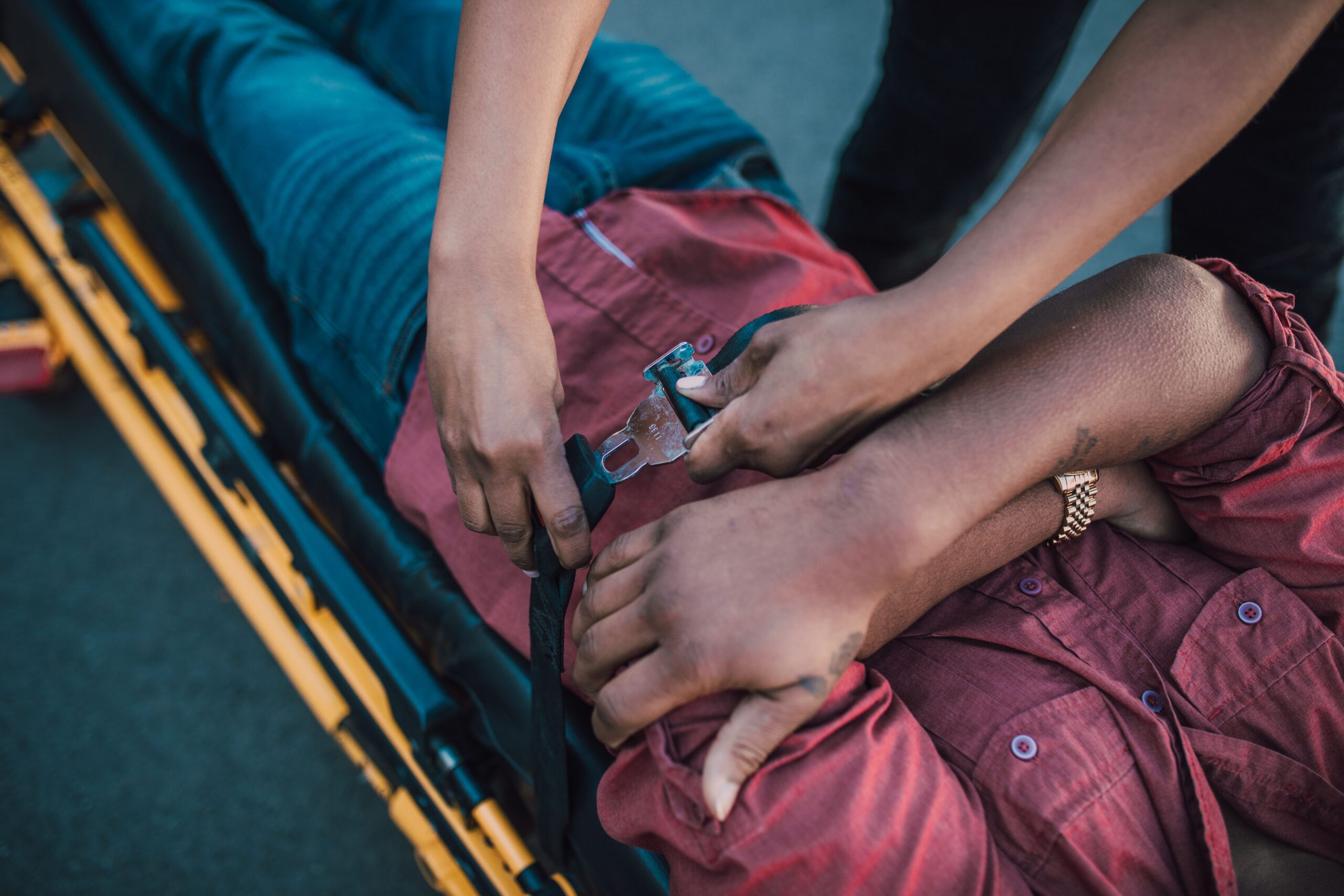
A motorcycle crash can leave you with pain that feels confusing at first. You may stand up, talk to police, exchange information, and believe you only feel sore. However, chest and lung injuries after a motorcycle accident can worsen quickly, especially when the impact involves a car, truck, guardrail, or pavement.
These injuries can affect your breathing, sleep, mobility, and ability to work. Even more importantly, they can become life-threatening when symptoms go untreated. Because motorcycle riders have far less physical protection than people inside passenger vehicles, a direct blow to the chest can cause broken ribs, bruised lungs, internal bleeding, or a collapsed lung.
If you were hurt in a motorcycle crash in New Jersey, call the Law Offices of Andrew S. Prince at 1-800-832-6529 or use the online contact form to discuss what happened and what steps may protect your claim.
Chest trauma after a motorcycle accident can involve more than surface bruising. The chest protects your heart, lungs, ribs, blood vessels, and other vital structures. Therefore, even one hard impact can create multiple injuries at once.
For example, a rider traveling through Asbury Park, Morristown, Cherry Hill, or Atlantic City may suffer chest trauma when a driver turns left in front of the motorcycle, merges without checking blind spots, or rear-ends the bike at an intersection. Likewise, crashes on Route 18, Route 9, the Garden State Parkway, or the New Jersey Turnpike may involve higher speeds, which can increase the force of impact.
Common chest injuries after a motorcycle crash include:
Because these injuries can overlap, you should take chest pain seriously after any motorcycle accident. Even if you walked away from the crash, your body may still be dealing with trauma that needs immediate medical attention.
After a motorcycle accident, adrenaline can mask pain. As a result, some riders delay medical care because they think they only feel shaken up. However, chest and lung injuries can develop or worsen over hours, especially after blunt-force trauma.
You should seek medical care right away if you notice:
Even mild symptoms matter. For instance, a rib fracture may feel manageable at first, but it can make breathing painful. When breathing becomes shallow, your risk of lung complications may increase. Therefore, prompt diagnosis can protect both your health and your legal claim.
Chest and lung injuries often require more than a basic visual exam. A rider may have no obvious open wound but still have internal trauma. Therefore, hospitals may use several tests to understand the full extent of the injury.
Doctors may order:
You should also keep copies of discharge paperwork, imaging reports, prescriptions, and follow-up instructions. These records can help connect your injuries to the motorcycle accident. In addition, they can show the seriousness of your condition if an insurance company later tries to minimize your claim.
Chest and lung injuries can change nearly every part of your daily life. You may struggle to sleep, drive, lift items, climb stairs, or return to work. You may also need emergency treatment, hospital care, surgery, physical therapy, breathing support, or ongoing pain management.
A motorcycle accident claim may involve compensation for:
Insurance companies often look for reasons to reduce payouts. They may argue that your symptoms came from a prior condition, that you delayed treatment, or that your injuries are not as serious as you claim. Because chest injuries can involve complicated medical evidence, detailed documentation matters.
Similar Post: How to Use an Accident Diary to Strengthen Your Motorcycle Crash Claim in NJ
Motorcycle riders often face unfair assumptions after crashes. An insurance adjuster may suggest the rider was speeding, lane splitting, following too closely, or riding aggressively. However, assumptions do not prove fault.
New Jersey follows modified comparative negligence rules. In plain terms, your compensation may be reduced if you share some fault for the crash. However, your claim can become much harder if the other side successfully shifts too much blame onto you. That is why evidence matters from the beginning.
Helpful evidence may include:
New Jersey also requires motorcycle operators and passengers to wear approved helmets. Although a helmet does not prevent chest trauma, following safety requirements can still matter when insurers look for arguments against the rider.
Some riders feel chest pain immediately. Others notice symptoms later that day or the next morning. Delayed pain can happen because swelling, bruising, and inflammation take time to build. Additionally, adrenaline can temporarily dull pain after a frightening crash.
However, delayed symptoms can still point to serious injuries. For example, a pulmonary contusion may become more noticeable as breathing becomes harder. A small pneumothorax may also worsen over time. Meanwhile, fractured ribs can grow more painful as inflammation increases.
You should not assume you are fine because you avoided an ambulance at the scene. Instead, get checked by a medical provider, explain that you were in a motorcycle accident, and describe every symptom clearly. This protects your health first. Then, it also creates a medical record that may help your claim.
After a crash, your first priority should always be medical care. However, once your condition allows, certain steps can help protect your claim.
Consider taking these steps:
These steps can make a meaningful difference. Chest and lung injuries often require proof that connects the crash, symptoms, diagnosis, treatment, and long-term impact. The more organized your records are, the harder it becomes for an insurer to dismiss what you experienced.
Similar Post: What Evidence Insurers Look For First In Motorcycle Injury Claims: What You Need To Know Before Speaking To Insurance
In many New Jersey personal injury cases, injured people generally have two years from the date of the accident to file a lawsuit. However, certain situations can involve shorter deadlines. For example, if a government vehicle, public employee, dangerous public road condition, or public entity played a role, a notice requirement may apply much sooner.
That deadline matters because chest and lung injuries can require months of treatment before you know the full impact. You may need follow-up scans, breathing evaluations, therapy, or surgery. Therefore, waiting too long can make it harder to gather evidence, locate witnesses, and document your damages.
Starting early does not mean rushing your motorcycle accident claim. Instead, it helps preserve the facts while your medical picture becomes clearer.
Similar Post: How Long Do Motorcycle Crash Cases Take in New Jersey?
Yes. A motorcycle accident can cause a collapsed lung when blunt trauma, broken ribs, or penetrating injury allows air to collect around the lung. This can make breathing difficult and may require emergency treatment.
A bruised lung may cause chest pain, shortness of breath, coughing, rapid breathing, fatigue, or low oxygen levels. Symptoms may appear right away or develop over time, so medical evaluation matters after any hard chest impact.
Yes, you should get checked if you have rib pain after a motorcycle accident. Broken ribs can be painful on their own, but they may also signal lung trauma or internal injury.
Yes, delayed chest pain can still relate to the motorcycle accident. However, you should seek medical care as soon as symptoms appear and explain when the crash happened.
Medical records, imaging results, treatment notes, and symptom tracking can help show the seriousness of your injury. You should not rely on the insurance company to decide the value of your health, recovery, or claim.
Chest and lung injuries after a motorcycle accident can affect your breathing, your work, your sleep, and your future. Even when symptoms start small, they can point to serious trauma that deserves prompt attention. Therefore, you should take your health seriously, document your recovery, and avoid letting an insurance company define your injury for you.
Andrew Prince represents injured motorcycle riders across New Jersey, including riders hurt near Clark, Newark, Orange, Edison, and communities throughout the state. If you suffered chest or lung injuries after a motorcycle crash, call 1-800-832-6529 or use the online contact form to start a conversation about your next steps.
Disclaimer: This blog is intended for informational purposes only and does not establish an attorney-client relationship. It should not be considered as legal advice. For personalized legal assistance, please consult our team directly.
Appointment Only
313 State Street, Perth Amboy, NJ.
46 Bayard Street #211, New Brunswick, NJ.
201 East 5th Street, Plainfield, NJ.
822 Raritan Avenue, 1st Floor, Highland Park, NJ.
400 39th Street, Suite 407, Union City, NJ.
860 U. S. Highway 1 North, Suite 201, Edison, NJ.
50 Park Place, 8th Flr., Suite 840, Newark, NJ.



