Free Consultation
1.800.TEAMLAW
1.800.832.6529
Free Consultation
1.800.TEAMLAW
1.800.832.6529

Free Consultation
1.800.TEAMLAW
1.800.832.6529
New Jersey
Motorcycle
Attorney
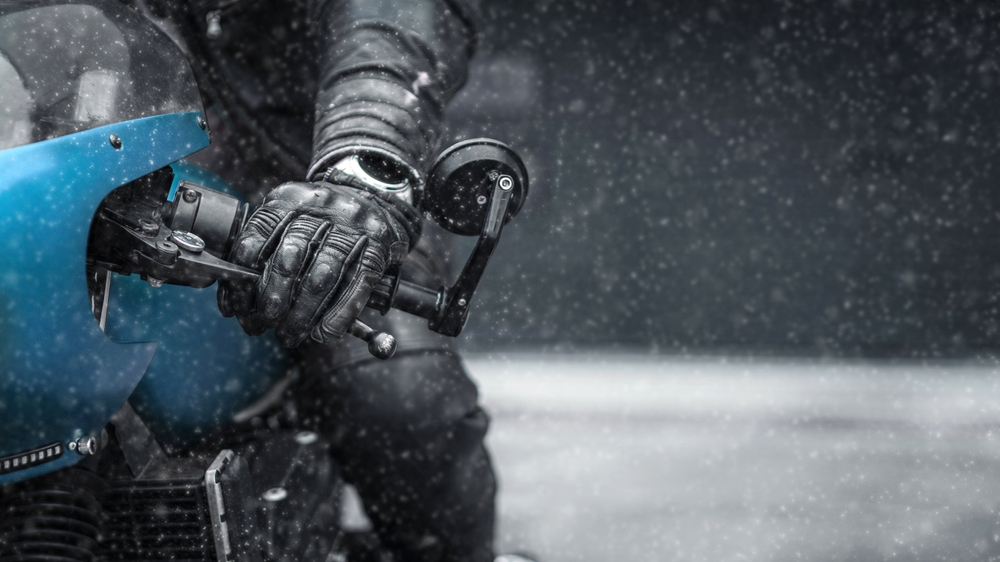
Should you ride a motorcycle in December in NJ, and what safety steps matter most? You can ride, but you should treat every trip like winter is actively trying to surprise you. Cold air reduces tire grip, daylight disappears early, and drivers get distracted by holiday traffic. Because of that, motorcycle riding in December demands more planning, more visibility, and calmer decision-making than a summer ride down the shore.
If you commute on two wheels or you still want to ride on clear days, the goal is simple: reduce risk before it becomes a crash. Below are the most important safety steps that matter most for December motorcycle riding in NJ, plus what to do if a winter wreck happens anyway.
Winter weather does not have to include a blizzard to cause a crash. A cold, dry day can still put you at risk because traction and visibility change in ways riders feel immediately.
Here are the biggest hazards motorcyclists face in December:
Because these issues stack together, seasoned riders still crash in December. The conditions simply leave less margin for error.
For many riders, the honest answer is: only if conditions are right and you ride differently.
You may be able to ride safely when:
You should strongly consider skipping the ride when:
If you ever feel uncertain, trust that instinct. December is not the season to ride through doubts.
Similar Post: Why Do Police Quite Often Blame the Motorcycle Rider for the Crash?
If you choose to ride, focus on the winter-specific steps that prevent skids, missed visibility, and overreaction.
Cold-start riding, meaning taking off at full pace right after you hop on, is a common winter mistake.
Stopping distance expands in winter. Cars can stop too, but motorcycles are less forgiving if you hit slush, grit, or an uneven road seam.
A safer rule in December is:
These areas freeze first and stay colder longer. Even when the main road looks fine, these spots can hide black ice.
In these zones:
December darkness is not just about what you can see. It is also about how other drivers behave. Many drivers feel tired, distracted, or rushed during the holidays. Meanwhile, glare from oncoming headlights and reflections off wet pavement can make it harder for them to notice a motorcycle in time.
If you must ride at night:
Following a crash, drivers often say that they did not see the motorcycle. In winter, that excuse shows up more often.
To improve visibility:
Winter is not the time for sudden inputs. Smooth riding lowers skid risk.
That means:
Cold air lowers tire pressure, and low pressure affects handling and braking. Check pressure at least once a week in December, and before longer rides. Also check tread depth, because worn tires lose grip fast on cold, wet roads.
In winter, route choice is safety.
Better routes often include:
Similar Post: How to Use an Accident Diary to Strengthen Your Motorcycle Crash Claim in NJ
Even careful riders can get hit by careless drivers. If a motorcycle accident happens, take steps that protect your health and your claim.
Do not downplay pain just because adrenaline is high. Winter crashes often involve fractures, soft-tissue injuries, and head trauma.
A report documents the scene, driver details, and early statements. This matters when the other driver changes their story later.
In December, road conditions change quickly. Take photos of:
If poor road maintenance contributed, those photos can become essential.
Insurance adjusters often ask questions designed to shift fault. Keep it simple until you understand your options.
Many December motorcycle accidents involve driver negligence, but some involve road hazards and maintenance issues.
Possible responsible parties may include:
Liability depends on evidence and deadlines, especially when a government entity may be involved. Acting quickly helps preserve proof.
Similar Post: What Road Hazards Cause Motorcycle Accidents in New Jersey and Who’s Liable?
Yes. New Jersey does not ban winter riding. However, legality is not the same as safety. Conditions decide whether the ride is worth the risk.
Many riders become uncomfortable below 40°F, but the bigger issue is traction. When temperatures hover near freezing, black ice risk rises, especially after rain or snow melt.
Yes. Black ice can cause immediate loss of traction with little warning, especially on bridges, ramps, and shaded roads. If you suspect black ice, avoid riding.
A full-face helmet, insulated gloves, and windproof layers help, but visibility also matters. Reflective outerwear and bright colors can reduce the chance a driver misses you.
That is common in motorcycle crashes. Evidence like photos, witness information, and a police report can help show what happened and support your injury claim.
That can matter, too. If the road surface was unusually hazardous because of poor maintenance or excessive debris, a claim may involve additional responsible parties.
So should you ride a motorcycle in December? The answer starts with smart choices, safer routes, and winter-specific riding habits. Still, even careful riders can get hurt when drivers fail to yield, merge without looking, or treat motorcycles like they are invisible.
If you were injured in a New Jersey motorcycle crash, the Law Offices of Andrew S. Prince can help you understand your options and the next steps to take. You can discuss what happened, learn what evidence matters most, and get clarity on how an injury claim may work.
Call 1-800-832-6529 or contact the firm online to schedule a free consultation. Focus on healing, then let a legal team help you pursue accountability and compensation. The Law Offices of Andrew S. Prince represents clients throughout New Jersey, including Clark, West New York, and Orange.
Disclaimer: This blog is intended for informational purposes only and does not establish an attorney-client relationship. It should not be considered as legal advice. For personalized legal assistance, please consult our team directly.
Appointment Only
313 State Street, Perth Amboy, NJ.
46 Bayard Street #211, New Brunswick, NJ.
201 East 5th Street, Plainfield, NJ.
822 Raritan Avenue, 1st Floor, Highland Park, NJ.
400 39th Street, Suite 407, Union City, NJ.
860 U. S. Highway 1 North, Suite 201, Edison, NJ.
50 Park Place, 8th Flr., Suite 840, Newark, NJ.



