Free Consultation
1.800.TEAMLAW
1.800.832.6529
Free Consultation
1.800.TEAMLAW
1.800.832.6529

Free Consultation
1.800.TEAMLAW
1.800.832.6529
New Jersey
Motorcycle
Attorney
By Law Offices of Andrew S. Prince
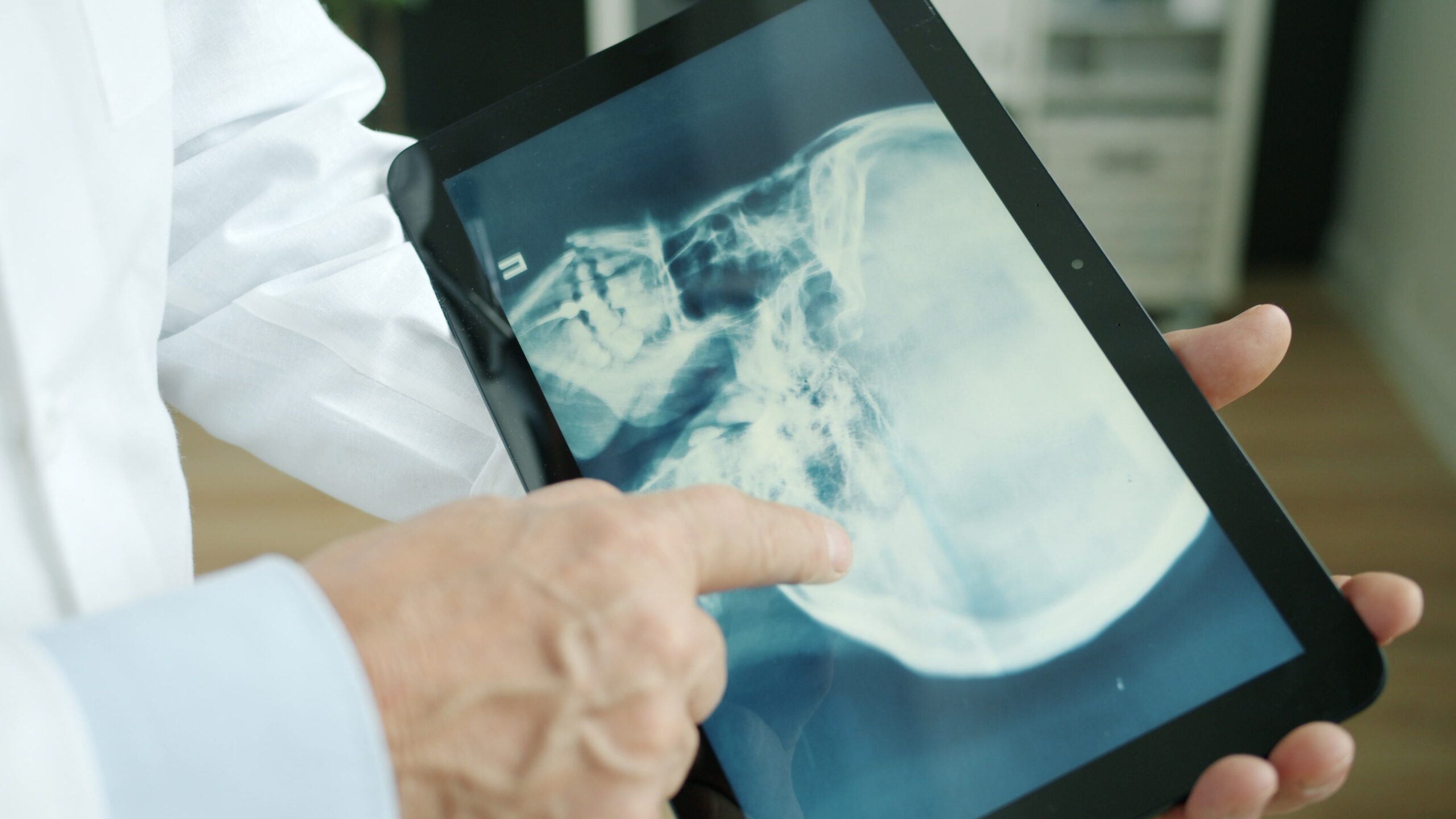
You laid your bike down on the Garden State Parkway, got up, dusted yourself off, and told the responding officer you were fine. Your helmet did its job, the road rash seemed minor, and all you wanted was to get home. Then, three days later, the headaches started, followed by trouble concentrating at work and a strange sensitivity to light. If this sounds familiar, you may be dealing with a concussion after a motorcycle accident in New Jersey, and you are far from alone.
Delayed concussion symptoms are among the most common and most misunderstood consequences of motorcycle crashes. With National Concussion Awareness Day arriving on Friday, September 18, this is the right moment for New Jersey riders to learn how these injuries hide, why they surface late, and what a delayed diagnosis means for both your health and your legal claim.
If you or someone you love is experiencing symptoms after a motorcycle crash anywhere in New Jersey, the Law Offices of Andrew S. Prince can help you understand your options. Call 1-800-TEAM-LAW (832-6529) or reach out through the online contact form on this website to schedule a free consultation.
A concussion is a mild traumatic brain injury caused by a blow to the head or a violent jolt to the body. When a rider is thrown from a motorcycle or strikes the pavement, the brain can shift and twist inside the skull even when the helmet stays intact. That movement stretches brain cells and disrupts how they function, and the damage is chemical and microscopic rather than structural.
This is why so many riders feel fine at the scene. In the moments after a crash, your body floods with adrenaline, which masks pain and hides the early signs of a brain injury. It is also why a normal CT scan at the emergency room does not rule out a concussion. Standard imaging looks for bleeding and fractures, not the subtle cellular injury that produces concussion symptoms.
Medical providers consistently warn that concussion symptoms can emerge hours or even days after the injury, sometimes only appearing when a person returns to work, school, or other mentally demanding activity. Wearing a helmet, which New Jersey law requires for every rider, greatly reduces the risk of catastrophic head trauma, but no helmet can stop the brain from moving inside the skull during a hard impact.
National Concussion Awareness Day falls on the third Friday of September each year, which lands on September 18 in 2026. The observance was created to spread the word about how common concussions are, how often they go unrecognized, and why early evaluation makes such a difference in recovery.
For motorcyclists, the message could not be more relevant. Riders do not have airbags, crumple zones, or seatbelts. When a distracted driver turns left in front of a motorcycle at a Newark intersection or drifts into a rider on Route 18, the rider absorbs the impact directly. Head injuries rank among the most frequent serious injuries in these crashes.
Awareness matters medically because an untreated concussion can prolong recovery, and a second head injury before the first has healed can cause serious complications. It matters legally too. A concussion that is never documented is a concussion the insurance company will insist never happened.
In the first two weeks after any motorcycle crash, pay close attention to how you feel, and ask the people around you to watch for changes as well. Common delayed concussion symptoms include:
No single symptom proves a concussion, and some riders experience only one or two of these signs. If anything on this list appears after your crash, see a doctor promptly and describe exactly what you have been feeling. Certain symptoms, such as seizures, weakness or numbness in the arms or legs, growing confusion or agitation, or difficulty staying awake, can signal a more dangerous brain injury and call for emergency care right away.
The single most important thing you can do after a motorcycle crash is get a medical evaluation, even when you feel fine. Beyond that first visit, a few practical habits protect your recovery and preserve the evidence your claim may later depend on.
These steps are not about manufacturing a lawsuit. They are about making sure a real injury gets diagnosed, treated, and taken seriously by everyone who evaluates it later, including the insurance adjusters reviewing your claim.
New Jersey treats motorcycle riders differently from drivers of cars when it comes to insurance. The personal injury protection benefits that automatically cover medical bills for people hurt in car accidents generally do not extend to motorcyclists. That means riders often depend on their health insurance, any optional medical payments coverage on their motorcycle policy, and the injury claim itself to cover the cost of treatment.
A delayed diagnosis does not destroy your claim, but it does change how the claim must be handled. Insurance companies routinely argue that a gap between the crash and the first report of symptoms means the injury came from somewhere else. Overcoming that argument takes consistent medical records, careful documentation, and often the support of treating doctors who can explain that delayed concussion symptoms are medically normal.
Timing matters in another way as well. In most cases, an injured rider has two years from the date of the accident to file a personal injury lawsuit in New Jersey. Two years may sound like plenty of time, but building a strong brain injury claim takes months of medical documentation, so waiting rarely helps. New Jersey also follows a comparative negligence rule, meaning your compensation can be reduced if you are found partly at fault and lost entirely if you are found more at fault than the other driver. Insurers know this and often try to shift blame onto the rider.
Compensation in a successful claim can include medical bills, lost wages, reduced earning ability, and pain and suffering. Every case is different, and no personal injury attorney can promise a particular outcome. What is clear is that riders who document their injuries early and get knowledgeable legal guidance are in a far stronger position than those who wait and hope the symptoms fade.
Concussion symptoms often appear within hours, but they can take several days or longer to surface, especially once you return to work or other demanding activities. See a doctor as soon as symptoms appear and make sure the visit is connected to your crash.
Yes. Delayed symptoms are well documented in concussion cases, and skipping the ambulance does not erase your rights. Get evaluated as soon as symptoms appear, because the longer the gap, the harder the insurance company will push back.
Absolutely. Helmets are excellent at preventing skull fractures and fatal head trauma, but a concussion happens when the brain moves inside the skull. Many riders diagnosed with concussions were wearing DOT-approved helmets at the time of the crash.
Unlike car occupants, motorcyclists generally cannot rely on no-fault personal injury protection benefits. Treatment is usually paid through your health insurance or optional medical coverage on your motorcycle policy, with the at-fault driver’s insurer responsible through your injury claim.
In most situations you have two years from the date of the crash, though limited exceptions can shorten or extend that window, including special notice rules when a government vehicle or road hazard is involved. Speaking with a lawyer early protects the deadline and the evidence.
National Concussion Awareness Day exists because these injuries are easy to miss and costly to ignore. Whether your crash happened on the New Jersey Turnpike, a county road in Bergen County, or a shore route on the way to the boardwalk, the same rule applies. Take every head injury seriously, get checked, and do not let an insurance company decide what your brain injury is worth.
Andrew Prince, Esq. has represented injured New Jersey riders for more than 25 years, with a main office in Clark and meeting locations throughout the state. If you are noticing symptoms after a motorcycle crash, call 1-800-TEAM-LAW (832-6529) or fill out the online contact form today for a free consultation. There is no fee unless we recover for you, and the sooner you reach out, the sooner you can focus on healing.
Disclaimer: This blog is intended for informational purposes only and does not establish an attorney-client relationship. It should not be considered as legal advice. For personalized legal assistance, please consult our team directly.
Appointment Only
313 State Street, Perth Amboy, NJ.
46 Bayard Street #211, New Brunswick, NJ.
201 East 5th Street, Plainfield, NJ.
822 Raritan Avenue, 1st Floor, Highland Park, NJ.
400 39th Street, Suite 407, Union City, NJ.
860 U. S. Highway 1 North, Suite 201, Edison, NJ.
50 Park Place, 8th Flr., Suite 840, Newark, NJ.



